Sorted Books: Sorting Shark
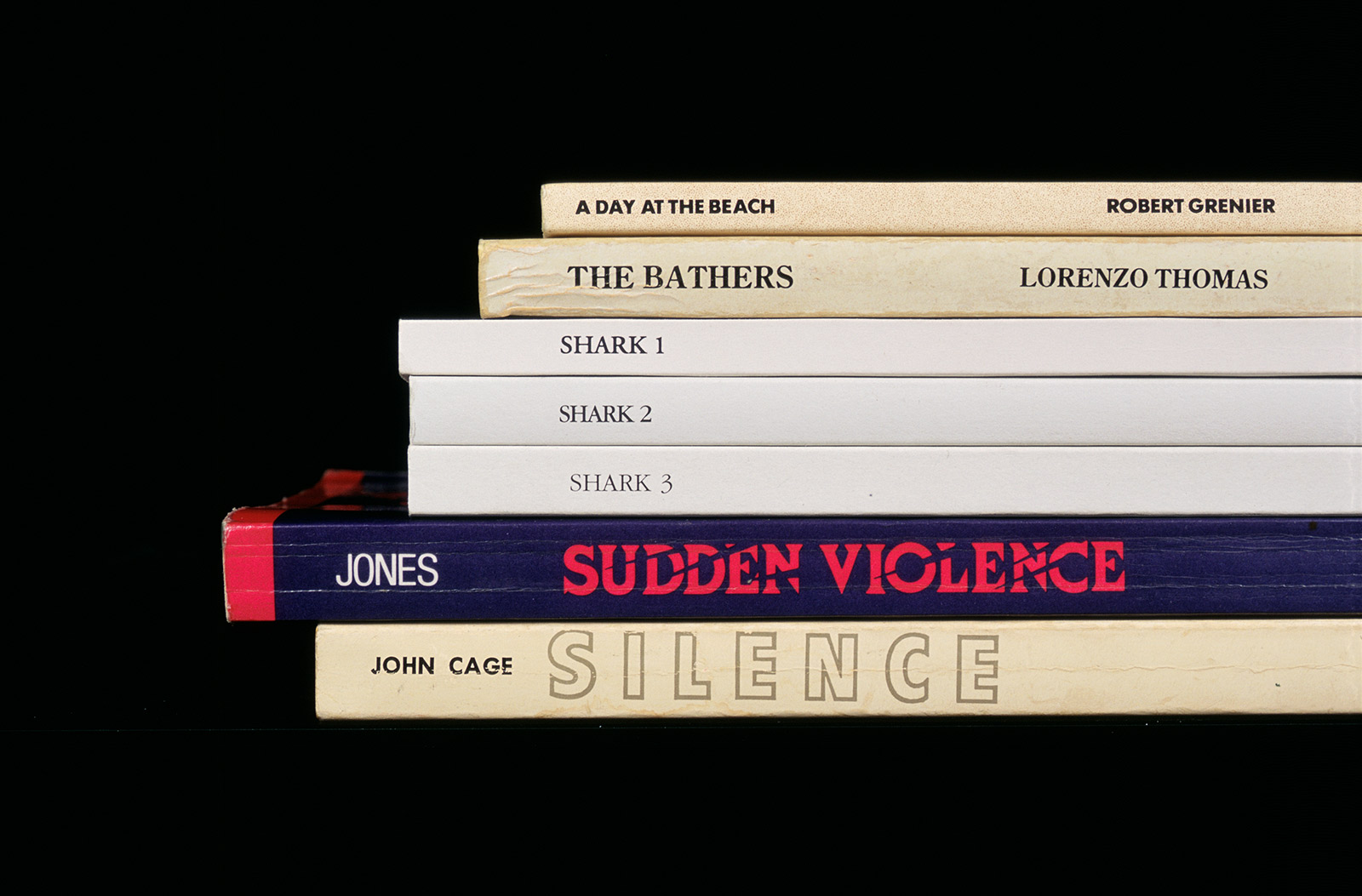
A Day at the Beach, from the series Sorting Shark, 2001, from the project “Sorted Books,” 1993 and ongoing. Digital chromogenic prints, 12.5 × 19 inches.
"Sorted Books" is my longest ongoing project. It began in 1993 and has taken place on many different sites over the years, including in the private homes of friends, in rare book libraries, and in the archives of important literary figures. The process is the same in every case: I sort through a collection of books, make note of particular titles, and eventually group the books into clusters so that the titles can be read in sequence. The final results are most often shown as photographs of the book clusters, but on occasion, I exhibit the grouped books themselves. Taken as a whole, the clusters are a cross-section of that library's holdings that function as a kind of portrait.
Sorting Shark (2001) happened in the New York City home of writer-artist couple Lytle Shaw and Emilie Clark, who published a journal of art and poetics together called Shark (Shaw + Clark = Shark)
Shark was a journal of art and poetics based in New York. The two editors, a poet and a painter, published the journal from a home office lined wall-to-wall with books, and cookbooks shared space with books on art history and literary theory. Following an invitation from the editors, a book sorting was done as a project for Shark. The most intriguing part of the library was the extensive collection of contemporary poetry, where many books had particularly unusual titles. Grammatically, many of these titles were quite unorthodox, consisting, for example, of isolated adverbs or sentence fragments.
Sorting Shark yielded one of my favorite sorted book images of all time: A Day at the Beach. So many people misunderstand "Sorted Books" as a writing project and assume that the meaning in the work is generated entirely by the written elements on the book spines. But I speak often about how much meaning derives from the physical elements of the books—the size or color of a typeface, the heft or slimness of a book, and its physical condition (has it been handled violently? Is it pristine?). I always turn to A Day at the Beach to make this point: all the books are white except for the one moment of action, marked by the book “Sudden Violence,” with its highly contrasting colors and typeface which appears torn or clawed. The word “Silence,” rendered in an outlined typeface that appears hollow, gutted out, further underscores the violent ending to the story told here.
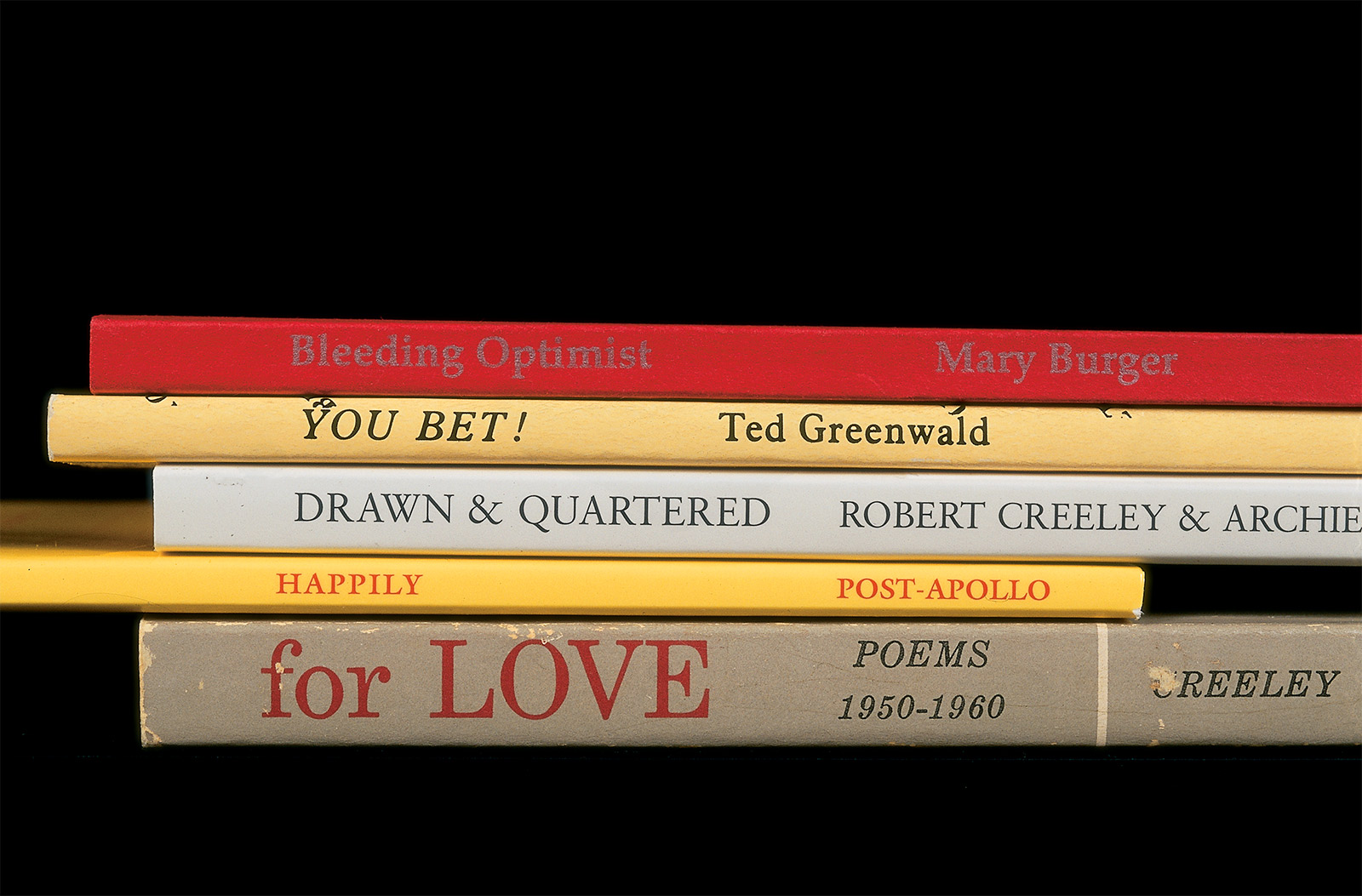
Bleeding Optimist, from the series Sorting Shark, 2001, from the project “Sorted Books,” 1993 and ongoing. Digital chromogenic prints, 12.5 × 19 inches.
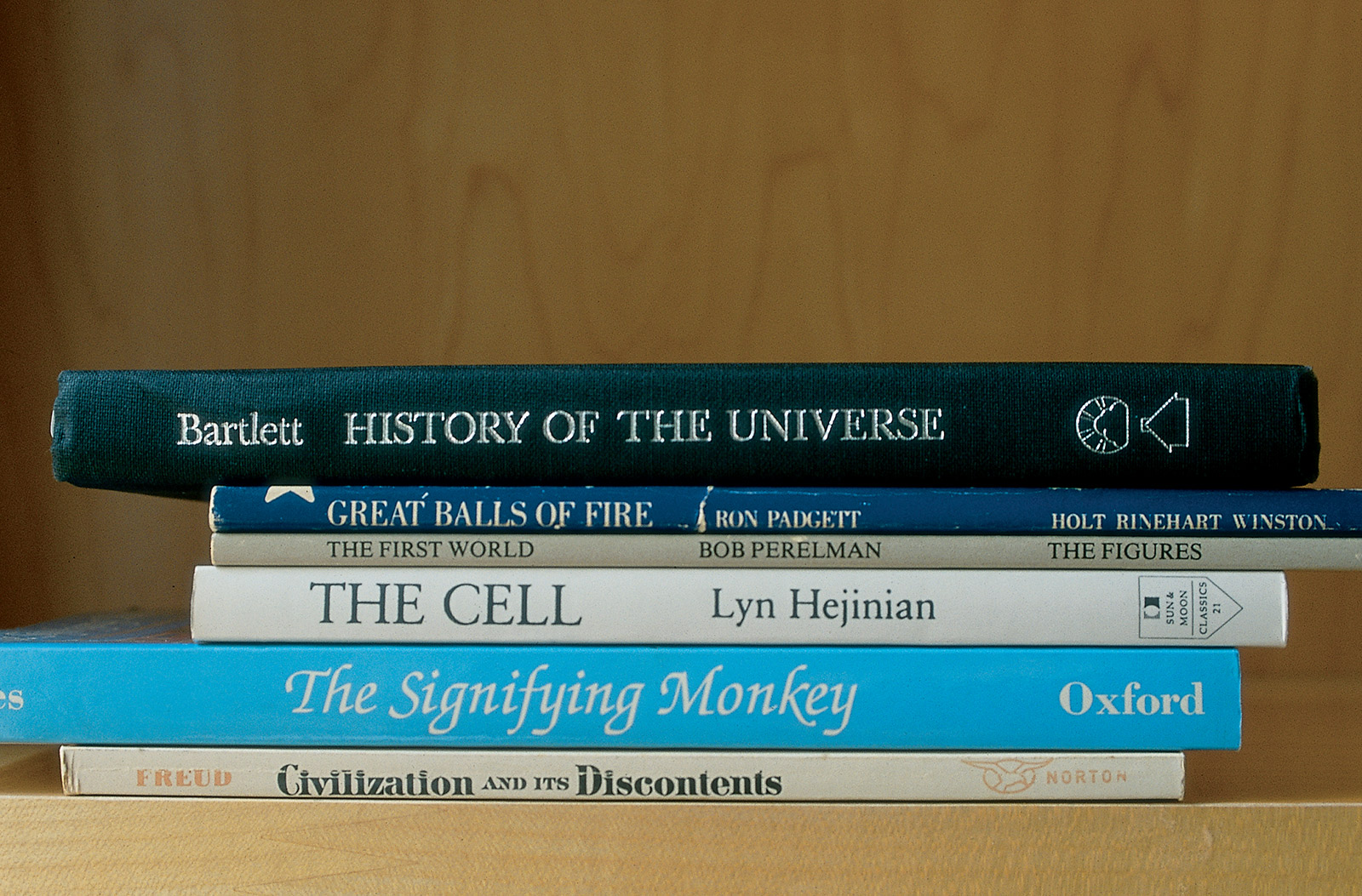
History Of The Universe, from the series Sorting Shark, 2001, from the project “Sorted Books,” 1993 and ongoing. Digital chromogenic prints, 19 x 12.5 inches.
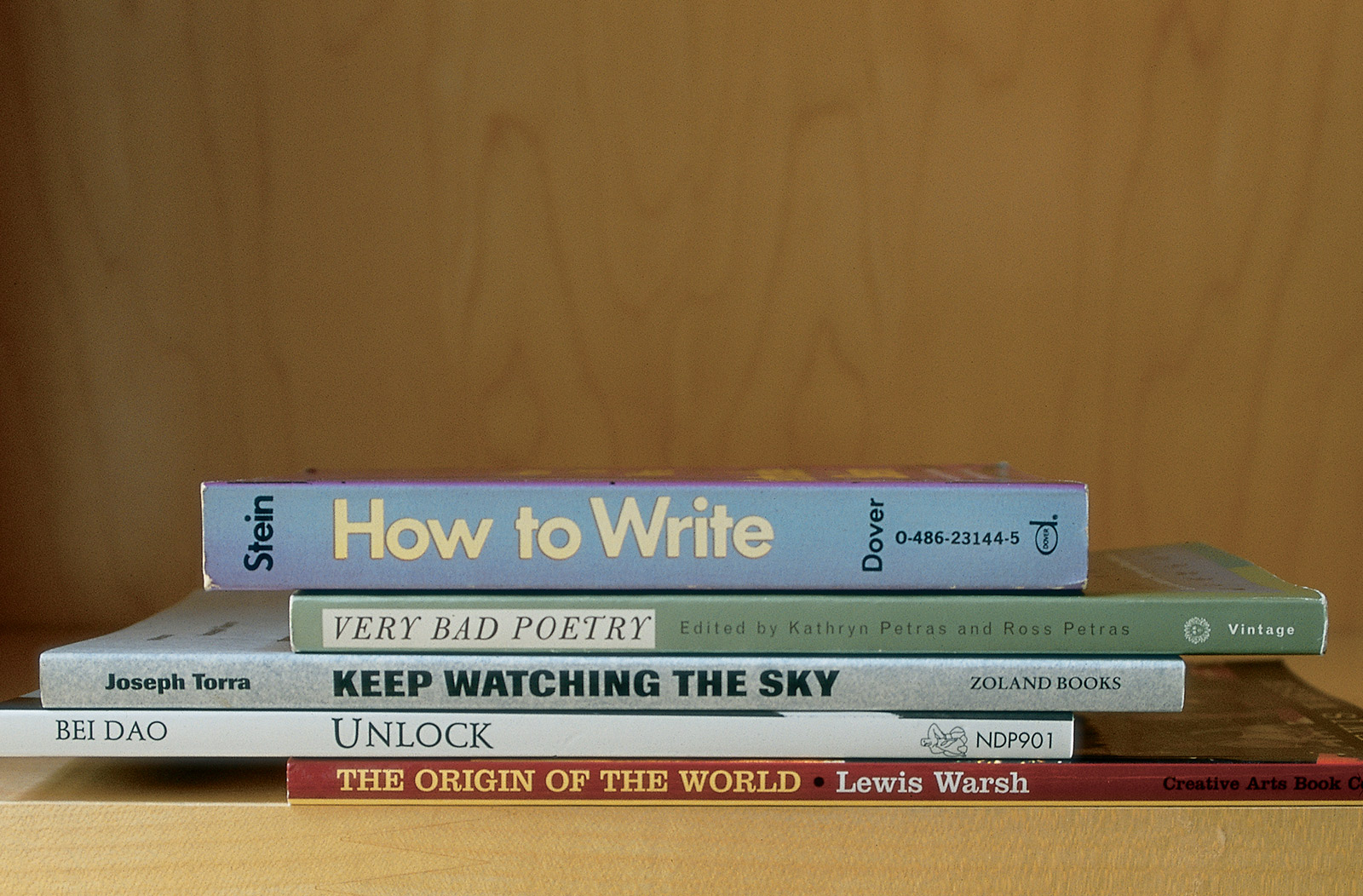
How To Write, from the series Sorting Shark, 2001, from the project “Sorted Books,” 1993 and ongoing. Digital chromogenic prints, 12.5 × 19 inches.
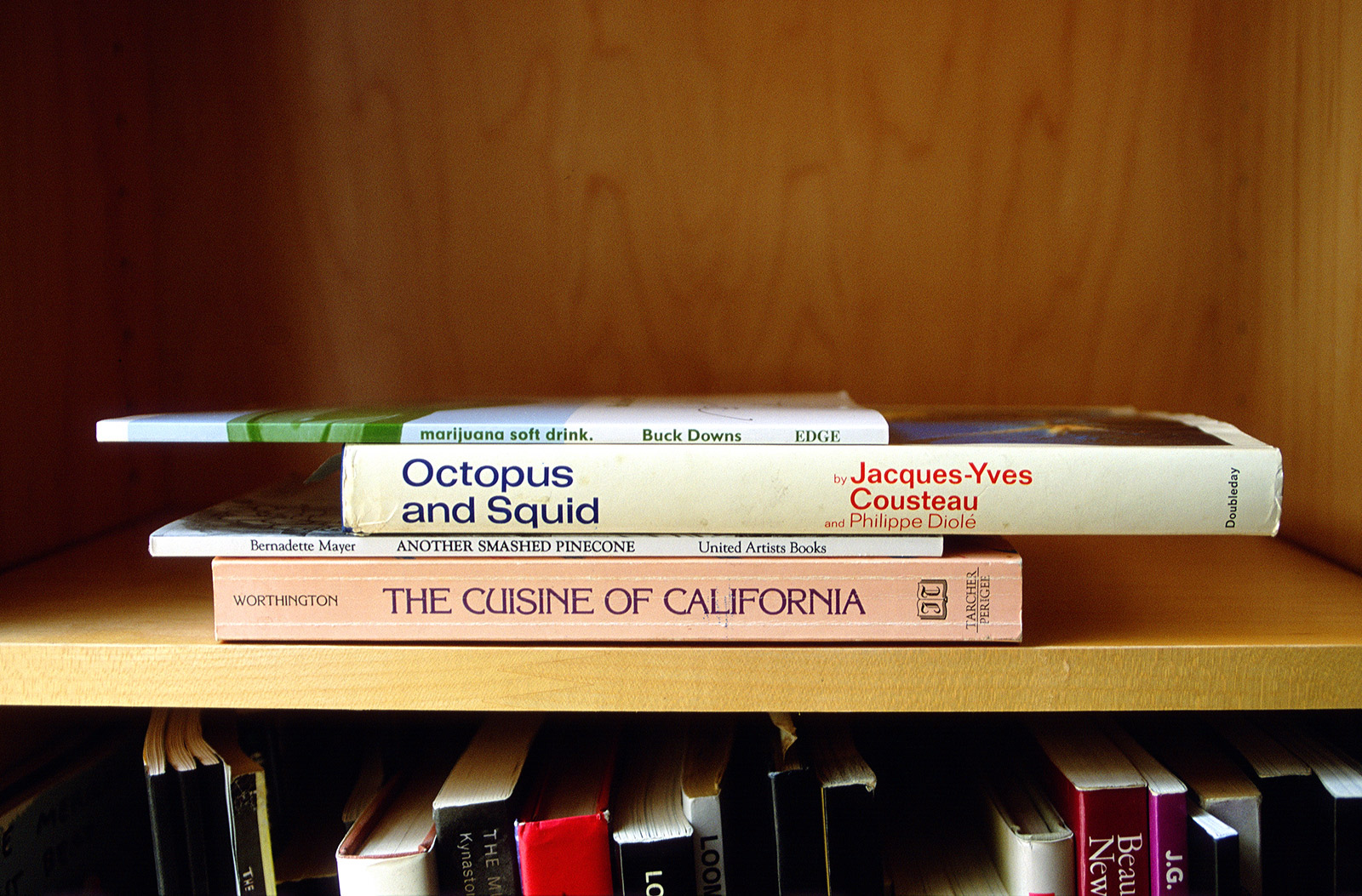
Marijuana Soft Drink, from the series Sorting Shark, 2001, from the project “Sorted Books,” 1993 and ongoing. Digital chromogenic prints, 12.5 × 19 inches.
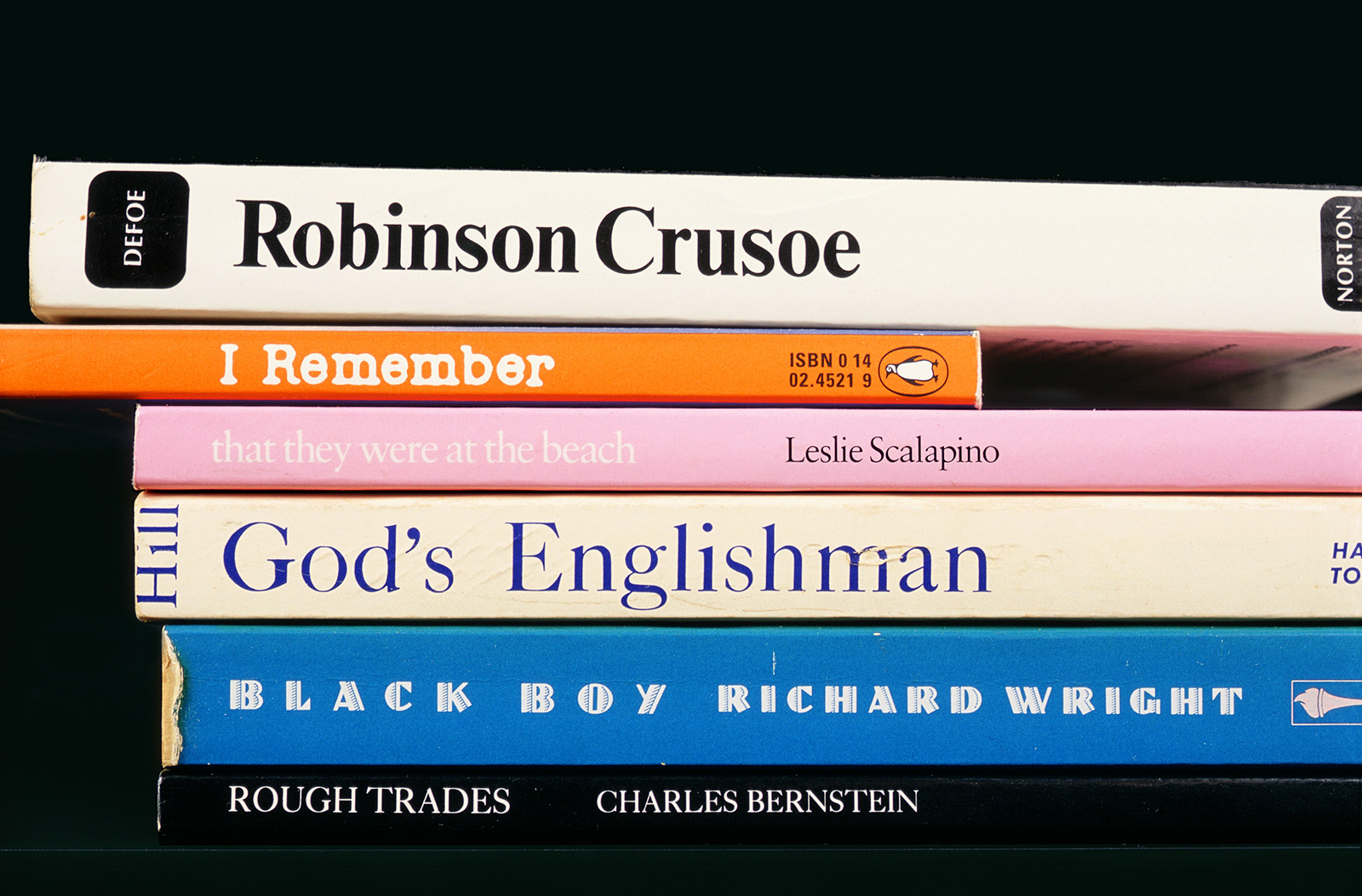
Robinson Crusoe, from the series Sorting Shark, 2001, from the project “Sorted Books,” 1993 and ongoing. Digital chromogenic prints, 12.5 × 19 inches.
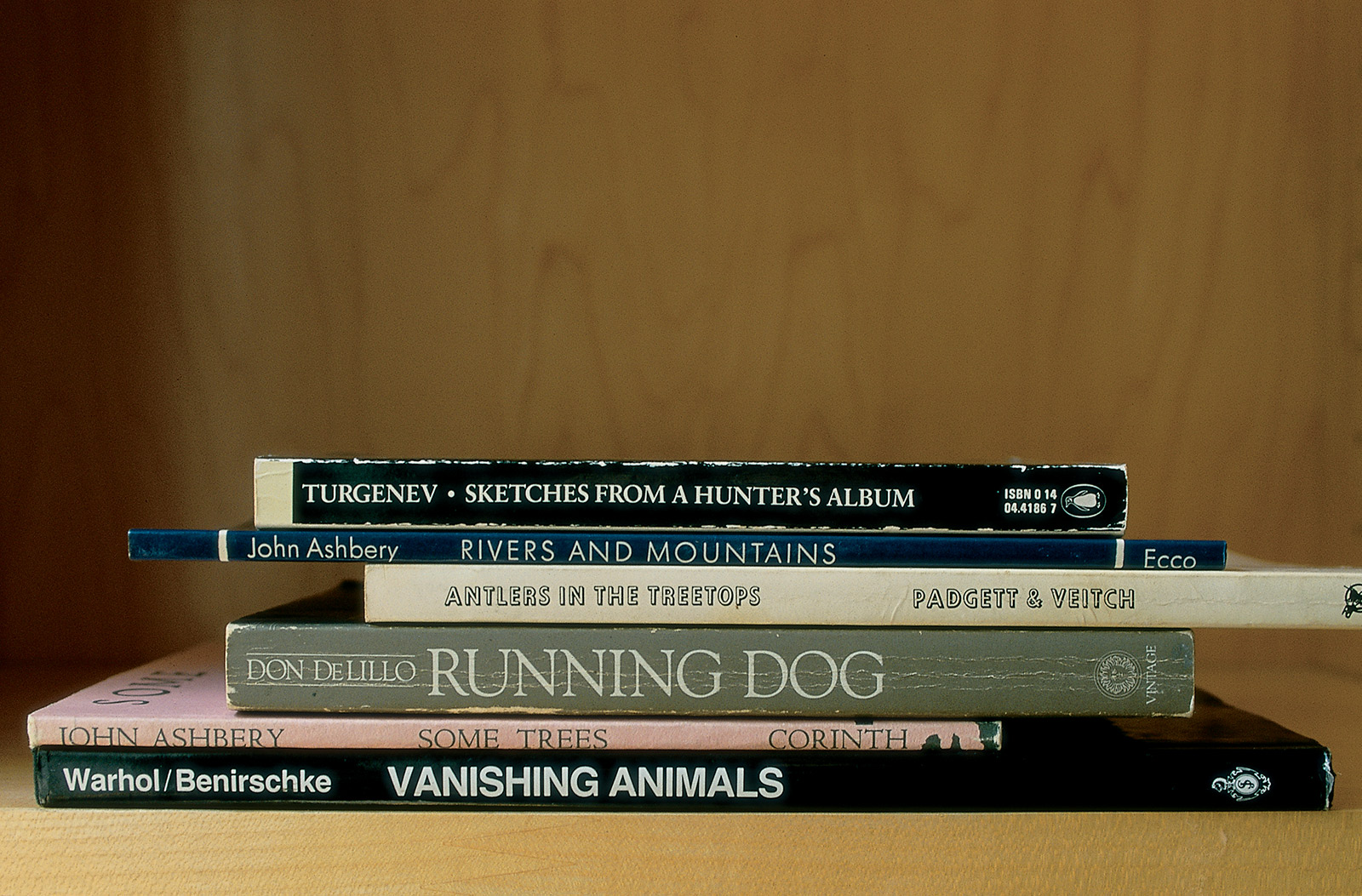
Sketches From a Hunter's Album, from the series Sorting Shark, 2001, from the project “Sorted Books,” 1993 and ongoing. Digital chromogenic prints, 12.5 × 19 inches.